Play together
 Tiny Tots Playlittle things, lovely memories
Tiny Tots Play original · Ages 13–15
Compare reuse systems using clear boundaries and explicit assumptions.
Problem-solvingThe Circular Cup Challenge. A confident poster announced that one kind of cup was always best. Ro paused the workshop. Best for cost, waste, or climate impact? Vedu discovered that a confident answer can hide an unclear question. The guide chose a fair starting point: compare ways of serving the same number of drinks. A cup sitting unused on a shelf would not provide the same service as a cup used repeatedly. Next they drew the system boundary. Making, transporting, using, washing, and eventual disposal all mattered. Leaving out a stage could make one option look better simply because part of its story disappeared. Ro named the uncertain assumptions: how often cups returned, how they were cleaned, and how far they travelled. The workshop had no measured footprint data, so nobody invented a winning environmental score. Vedu noticed a return tray hidden behind a tall shelf. A reusable design could fail if returning it was difficult. The team moved the tray to a clear, reachable place. They assigned cleaning and inspection responsibilities. A return loop needed people, equipment, and safe routines. Owning reusable objects was different from getting many useful services from them. Instead of declaring victory, the group proposed a small trial. They would record actual uses, returns, damaged cups, and the work required. They would also write down which impacts the trial could not measure. Their recommendation became more useful because it was specific and honest. Test the system, measure what matters, and revisit assumptions. A circular idea earns its value through how the whole loop works. Try it offline. Sketch a fictional cup-return system. List making, transport, washing, losses and actual uses. Mark what you would need to measure.
A story is just the beginning
Choose one little thing to try together. Or take a break.
Play together
Make it your own
Draw a favourite moment or imagine what happens next.
Open the free colouring book →Talk or try offline
Sketch a fictional cup-return system. List making, transport, washing, losses and actual uses. Mark what you would need to measure.
Together with a grown-up. Talking, pointing, drawing and passing are all welcome.
 1:40
Notice circles and count up to three with an adult.
Curiosity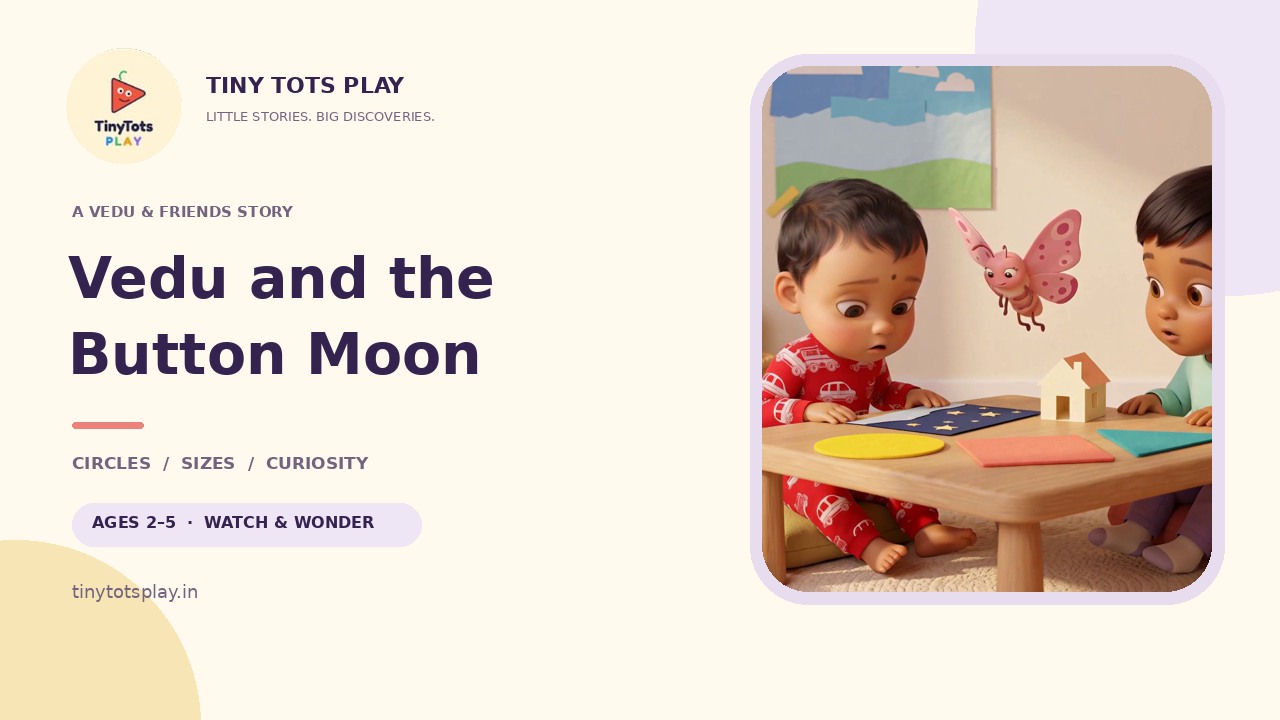 1:50
Recognise circles in different sizes and distinguish them from shapes with corners.
Curiosity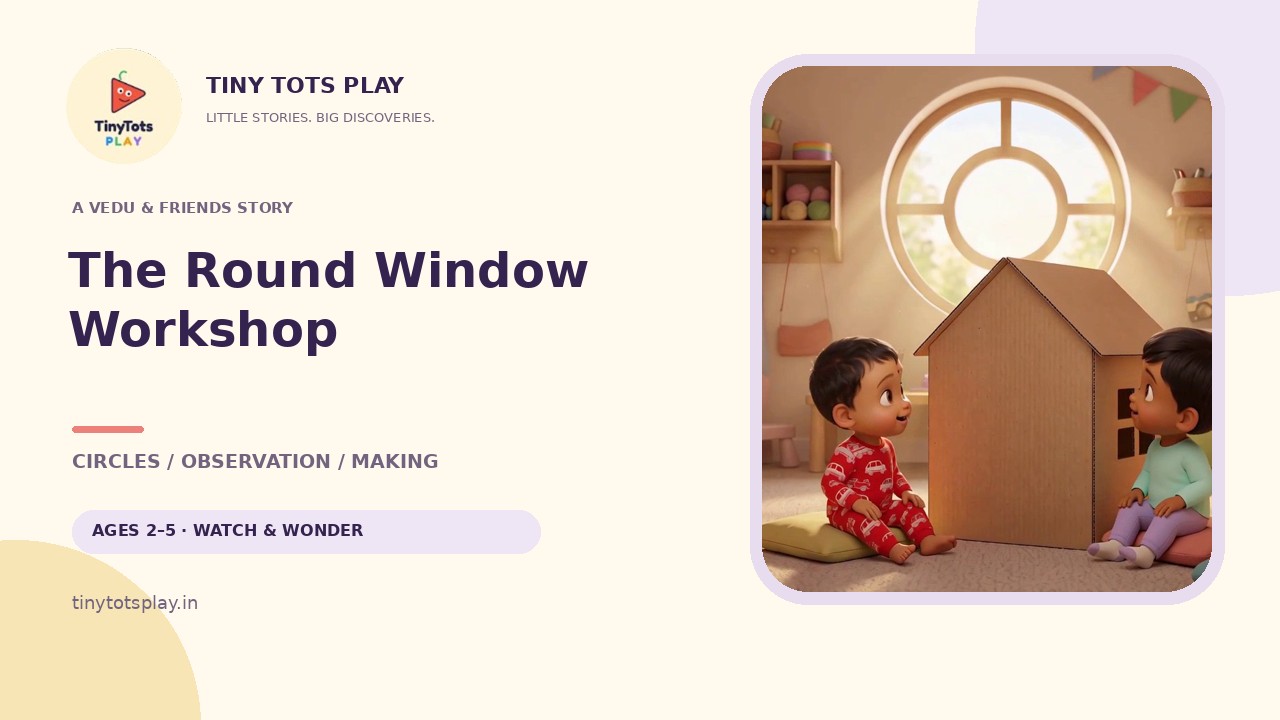 1:52
Recognise a circle by its curved edge and apply that observation in pretend making.
Curiosity