Play together
 Tiny Tots Playlittle things, lovely memories
Tiny Tots Play original · Ages 13–15
Use a fictional numerical model while distinguishing a count from an impact claim.
Problem-solvingThe Return Journey Equation. Ro's cup workshop had a new question: how could a missing return change the next event? The guide proposed a paper model, clearly separated from real environmental measurements. Vedu became the keeper of the tokens. They began with ten imaginary cups. After the first round, eight returned and two were missing. The group wrote both numbers down. A plan that silently assumed every cup returned would already be wrong. If the next round needed ten cups, eight returned cups would leave a gap of two. The team could add two replacements or redesign the event. The arithmetic described a shortage, not its complete cost or footprint. Tala suggested testing a better return point. In their second fictional scenario, nine of ten cups returned. Only one replacement would be needed for another ten-cup round. These were invented examples, not measured results. The guide compared the scenarios on the same terms. Equal event size and clear counting rules made the comparison useful. A different event size could make raw return totals misleading. Even a higher return rate did not settle the environmental question. Washing, transport, production, and how long the cups lasted still mattered. The group resisted turning one good number into an all-purpose victory. They also counted the work needed to collect returns. A convenient station and clear responsibility might help more than simply asking everyone to try harder. The guide proposed recording actual results during a small trial. The equation had helped them see a gap and test an assumption. It had not answered every question. Good models make their boundaries visible so that the next decision can use better evidence. Try it offline. Start with ten paper cup tokens. Model different return rates across three rounds. State which assumptions your model leaves out.
A story is just the beginning
Choose one little thing to try together. Or take a break.
Play together
Make it your own
Draw a favourite moment or imagine what happens next.
Open the free colouring book →Talk or try offline
Start with ten paper cup tokens. Model different return rates across three rounds. State which assumptions your model leaves out.
Together with a grown-up. Talking, pointing, drawing and passing are all welcome.
 1:40
Notice circles and count up to three with an adult.
Curiosity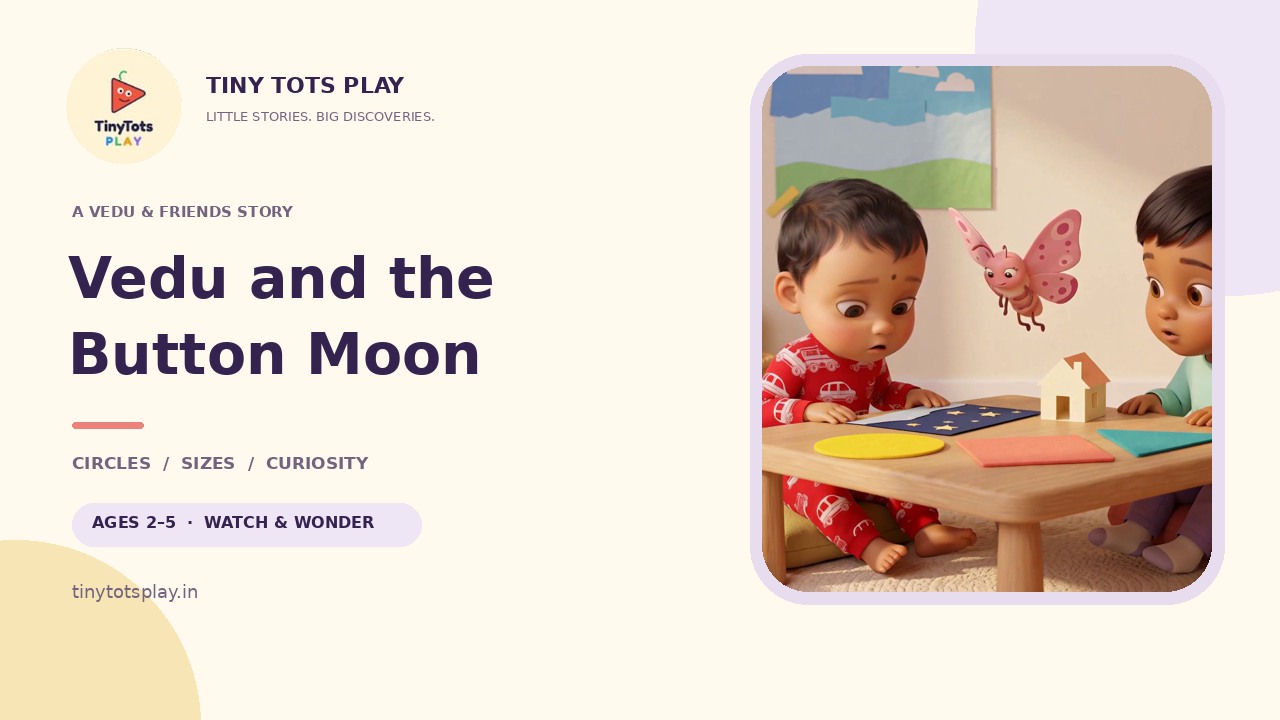 1:50
Recognise circles in different sizes and distinguish them from shapes with corners.
Curiosity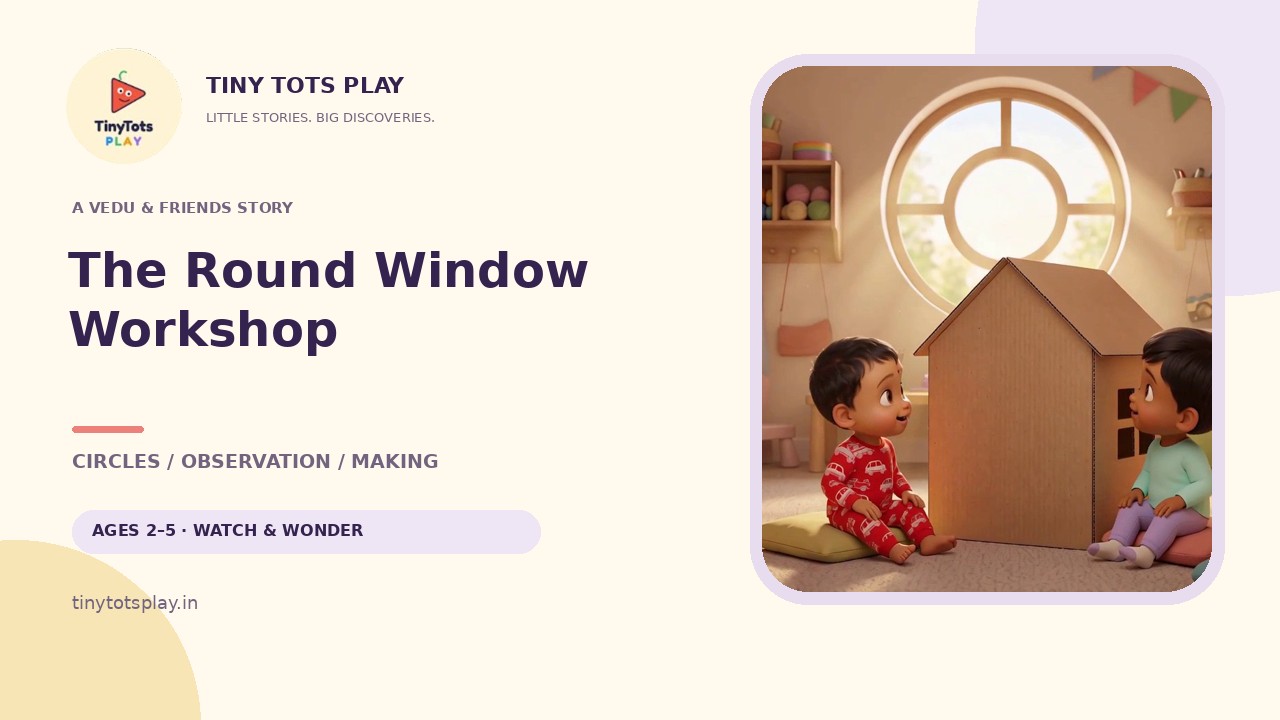 1:52
Recognise a circle by its curved edge and apply that observation in pretend making.
Curiosity